
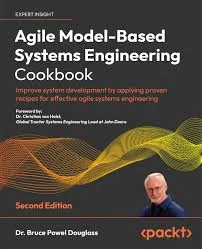

Model-Based Systems Engineering for Electrical Power Systems in the Era of Industry 4.0
An Integrated Framework for Digital Simulation, SCADA/IoT Systems, Embedded Intelligence, and Digital Twins
Abstract
Electrical power systems are undergoing a profound transformation driven by decarbonization, decentralization, and digitalization. The proliferation of renewable energy sources, inverter-based resources, distributed energy systems, and real-time control infrastructures has introduced unprecedented complexity into power system planning, design, and operation. Traditional engineering approaches—characterized by document-centric workflows and siloed simulation tools—are increasingly inadequate for addressing these challenges.
This research paper proposes a comprehensive Model-Based Systems Engineering (MBSE) framework that integrates system architecture modeling, multi-domain simulation, embedded systems design, and operational technologies such as SCADA and Internet of Things within the broader paradigm of Industry 4.0.
The framework incorporates:
- SysML for system architecture and requirements
- Enterprise Architect for model governance
- MATLAB and Simulink for simulation
- SystemC, Transaction-Level Modeling, and SystemC AMS for embedded and mixed-signal systems
The paper demonstrates how integrating these technologies enables end-to-end traceability, cross-domain simulation, and digital twin deployment, ultimately improving system reliability, reducing lifecycle costs, and enabling intelligent decision-making.
1. Introduction
1.1 Transformation of Electrical Power Systems
The electrical grid has evolved from a centralized, deterministic infrastructure into a dynamic, distributed, and intelligent system. Key drivers include:
- Renewable energy integration (solar, wind)
- Electrification of transportation (EVs)
- Distributed energy resources (DERs)
- Digital protection and control systems
- Real-time monitoring and automation
This transformation aligns closely with the principles of Industry 4.0, where cyber-physical systems integrate physical processes with digital intelligence.
1.2 Problem Statement
Despite technological advances, major challenges persist:
- Fragmented engineering workflows
- Lack of integration between simulation and operations
- Poor traceability between requirements and implementation
- Increasing system complexity
These challenges lead to:
- Cost overruns
- Delays in project delivery
- Reduced reliability
1.3 Research Objective
This paper aims to:
- Develop a unified MBSE-based framework
- Integrate simulation, SCADA, IoT, and embedded systems
- Provide a roadmap for Industry 4.0 adoption in power systems
- Demonstrate business and engineering impact
2. Industry 4.0 and Digital Transformation
2.1 Conceptual Overview
Industry 4.0 represents the convergence of:
- Automation
- Data exchange
- Cyber-physical systems
- AI-driven decision-making
2.2 Impact on Power Systems
Industry 4.0 transforms power systems into:
- Smart grids
- Autonomous energy systems
- Data-driven infrastructures
2.3 Strategic Relevance
For organizations:
- Utilities gain resilience and flexibility
- Industrial operators achieve energy efficiency
- EPC firms reduce project risks
3. Model-Based Systems Engineering (MBSE)
3.1 Core Principles
MBSE replaces document-centric approaches with model-centric workflows.
3.2 SysML-Based Modeling
SysML supports:
- Requirements modeling
- System architecture
- Behavioral modeling
3.3 Enterprise Architect for Governance
Enterprise Architect enables:
- Model traceability
- Collaboration
- Lifecycle management
3.4 Benefits
- Reduced engineering errors
- Improved communication
- Enhanced traceability
4. Simulation and Digital Engineering
4.1 MATLAB for Analytics
MATLAB supports:
- Optimization
- AI/ML
- Data analytics
4.2 Simulink for Dynamic Systems
Simulink enables:
- Time-domain simulation
- Control system design
4.3 Multi-Fidelity Simulation
- Steady-state
- Dynamic
- Electromagnetic transient
5. Embedded Systems and SystemC
5.1 SystemC Overview
SystemC supports:
- System-level modeling
- Hardware/software co-design
5.2 Transaction-Level Modeling
Transaction-Level Modeling enables:
- Communication modeling
- Fast simulation
5.3 SystemC AMS
SystemC AMS supports:
- Mixed-signal simulation
- Sensor modeling
6. SCADA and IoT Integration
6.1 SCADA Systems
SCADA provides:
- Monitoring
- Control
- Data acquisition
6.2 IoT Systems
Internet of Things enables:
- Distributed sensing
- Edge intelligence
6.3 Integration Benefits
- Real-time monitoring
- Improved decision-making
- Enhanced reliability
7. Digital Twin Architecture
Digital twins combine:
- Simulation
- Real-time data
- AI analytics
7.1 Benefits
- Predictive maintenance
- Operational optimization
8. Multi-Domain Co-Simulation
Integration across:
- Electrical
- Embedded
- Communication
- Control
9. Use Cases
- Smart grids
- Microgrids
- EV systems
- Industrial plants
10. Role of KeenComputer.com
Provides:
- MBSE implementation
- SCADA/IoT integration
- Simulation services
11. Role of IAS-Research.com
Provides:
- Advanced simulation
- Digital twin development
- AI integration
12. Implementation Roadmap
- Assessment
- Architecture design
- Simulation
- Deployment
- Optimization
13. Benefits
- Cost reduction
- Improved reliability
- Faster innovation
14. Challenges
- Integration complexity
- Skill gaps
- Data management
15. Future Trends
- AI-driven grids
- Autonomous systems
- Edge computing
16. Conclusion
The integration of:
- Industry 4.0
- MBSE
- Simulation
- SCADA + IoT
- Embedded systems
creates a transformational engineering framework.
References (IEEE Style)
[1] INCOSE, Systems Engineering Handbook, 5th Ed.
[2] MathWorks, MATLAB & Simulink Documentation
[3] IEEE PES Journals
[4] Accellera, SystemC Standards
[5] IEC 61850 Standards
[6] MDPI Systems Engineering Papers
[7] DOAJ Digital Twin Research
[8] Fraunhofer Power Systems Research
[9] Siemens MBSE White Papers